


White House Launches "Genesis Mission" to Supercharge Research
On November 24, President Trump signed an executive order launching the Genesis Mission, a national initiative to harness artificial intelligence for scientific discovery. The effort directs the Department of Energy to integrate the world's largest collection of federal scientific datasets—built over decades—with national laboratory supercomputers to create AI agents that can test hypotheses, automate research workflows, and accelerate breakthroughs. Think of it as connecting the world's most powerful computers with the world's most comprehensive scientific data, then using AI to find patterns and solutions humans might miss. Priority areas include biotechnology, critical materials, nuclear fusion, quantum science, and semiconductors. The White House compares the Genesis Mission's ambition to the Manhattan Project and Apollo Program—mobilizing federal resources at unprecedented scale to maintain American leadership in the AI race. If successful, this could compress research timelines from years to months or even days.
Hidden Brain Switch Helps Protect Against Alzheimer's
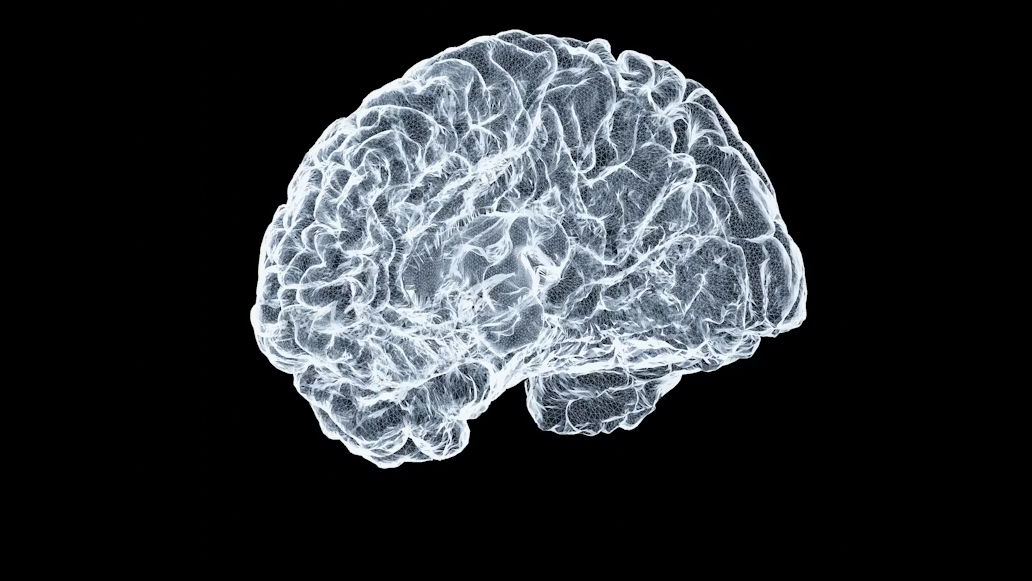
Scientists discovered that lowering a specific molecule helps microglia—the brain's immune cells—switch into a protective state that quiets inflammation in Alzheimer's disease. A small group of these cells seems to have an outsized ability to keep the brain healthier. The research shows that even modest changes in microglia behavior can have dramatic protective effects against neurodegeneration. This opens new therapeutic possibilities: instead of trying to eliminate plaques after they form, we might be able to help the brain's own immune system prevent damage in the first place.
Boosting One Protein Helps Clear Alzheimer's Plaques
In related Alzheimer's research, scientists discovered that raising the protein Sox9 can help the brain's astrocytes clear out toxic plaque buildup linked to Alzheimer's. In mouse models that already showed memory problems, boosting Sox9 improved cognitive function. The breakthrough suggests that supporting the brain's natural cleanup crew—rather than trying to break down plaques with drugs—could be a more effective therapeutic approach.
Quantum Communication Breakthrough Brings Internet of the Future Closer
Quantum communication edged closer to reality thanks to a breakthrough in teleporting information between photons from different quantum dots—one of the biggest challenges in building a quantum internet. By creating nearly identical photons from separate sources, researchers overcame a fundamental barrier that has limited quantum networks. This brings us closer to unhackable communication networks and distributed quantum computing.
New Obesity Discovery Rewrites Decades of Fat Science
Researchers uncovered a surprising new role for the HSL protein: beyond breaking down fat, it also works inside the nucleus of fat cells to keep them functioning properly. When HSL is missing, fat tissue doesn't expand as expected. This discovery challenges decades of assumptions about how fat metabolism works and could lead to new approaches for treating obesity and metabolic diseases.
Immune Cells Use Lightning-Fast Trick to Heal Muscle
A research team found that specific immune cells can connect with muscle fibers in a neuron-like way to promote healing. These cells deliver quick pulses of calcium, triggering repair processes. The discovery reveals that our immune system uses more sophisticated signaling than previously understood, opening possibilities for faster recovery from injuries.
This Tiny Plant Survived Space and Still Grows

Moss spores survived an extended stay on the outside of the International Space Station and remained capable of germinating once back on Earth. Their resilience to vacuum, extreme temperatures, and UV radiation surprised researchers. This suggests that life—or at least some forms of it—might be far more resilient than we thought, with implications for both the origins of life on Earth and the possibility of life elsewhere.
Scientists May Have Found Dark Matter After 100 Years
Nearly a century after astronomers first proposed dark matter to explain the strange motions of galaxies, scientists may finally be catching a glimpse of it. A University of Tokyo researcher analyzing new data from NASA's Fermi Gamma-ray Space Telescope found evidence that could confirm this elusive substance's existence. If verified, it would solve one of physics' greatest mysteries and fundamentally change our understanding of the universe.
Bogotá Wins £1 Million Earthshot Prize for Clean Air
The City of Bogotá won Prince William's prestigious Earthshot Prize for cutting air pollution by 24% since 2018 despite population growth. The Colombian capital built over 100 kilometers of low-emission bus lanes, deployed more than 1,400 electric buses (one of the world's largest electric fleets), created Latin America's biggest cycle network, and re-greened vast swathes of the city. By 2028, Bogotá expects to avoid more than 300,000 tons of CO₂ annually—equivalent to preserving a forest ten times the size of Manhattan or removing 65,000 cars from the road. The £1 million prize will fund expansion of ZUMA clean air zones. For cities worldwide struggling with pollution, Bogotá proves that coordinated action on transport, freight, and green infrastructure can drastically improve air quality.
Australia to Give Millions Free Solar Electricity Daily
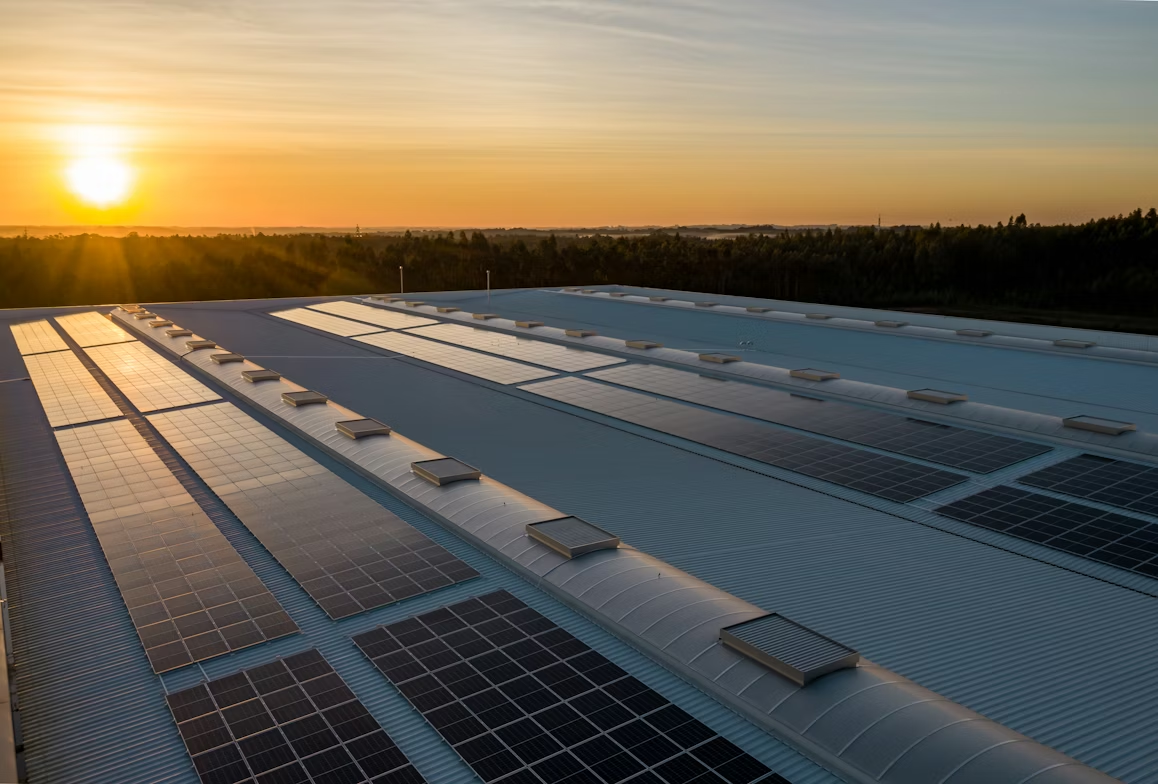
Australia announced that 14 million people—roughly half the population—will receive at least three hours of free solar power daily starting July 2026, even if they don't have rooftop panels. The "Solar Sharer" program targets midday hours when Australia's 4+ million rooftop solar installations create such abundant generation that wholesale prices often drop below zero. Energy Minister Chris Bowen encouraged households to shift energy-intensive activities like EV charging, laundry, and air conditioning to the free-power window. The initiative benefits renters and apartment dwellers who can't install solar while stabilizing the grid by reducing evening peak demand. It's proof that when solar adoption reaches critical mass, the benefits can be shared with everyone.
Have a story you think we should cover? Let us know because we're always on the lookout for good news worth sharing.


