


The Quiet Win
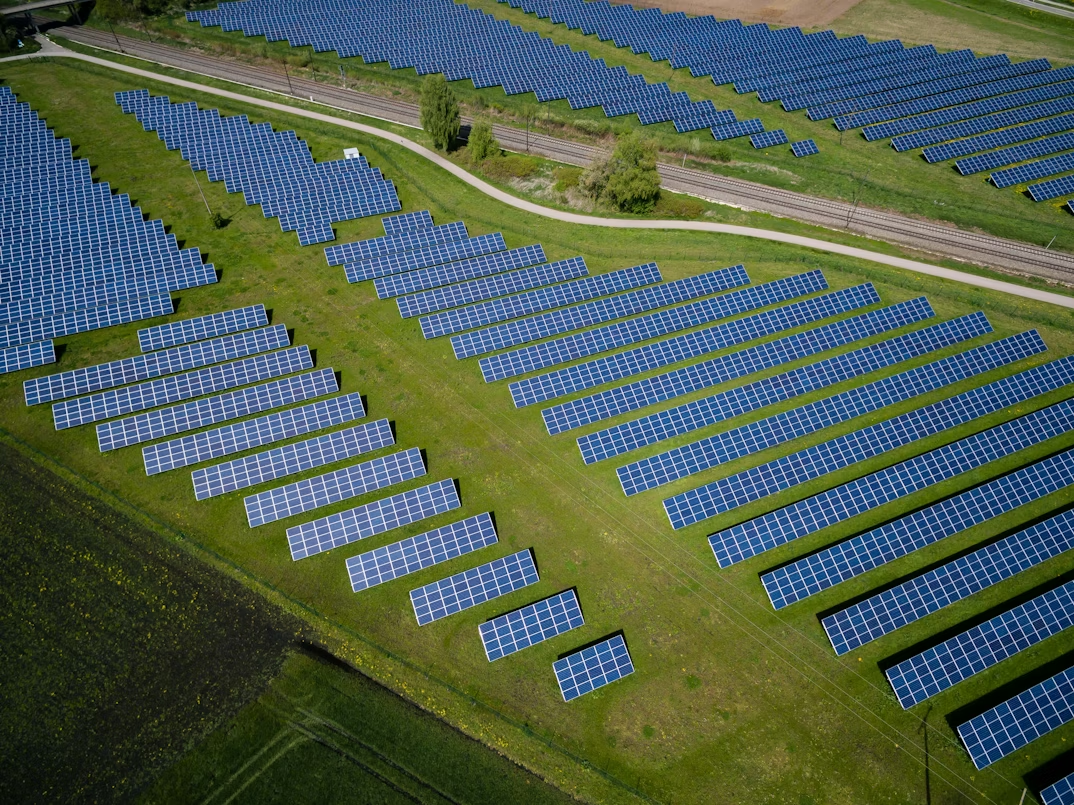
Renewable energy surpassed coal as the world's largest electricity source
For the first time in modern history, renewable energy generated more electricity globally than coal during the first half of 2025. The shift was driven largely by China, which installed 256 gigawatts of new solar capacity in just six months—twice as much as the rest of the world combined. Wind and solar are now the cheapest forms of energy in most regions, not because of environmental virtue signaling, but because of basic economics.
This doesn't solve climate change. Fossil fuel consumption continues in many countries, and the 1.5°C warming target looks increasingly out of reach. But it does represent a structural shift in how the world generates power. Twenty years ago, installing one gigawatt of solar capacity took a full year. Today, twice that amount goes online every single day.
The Signal: Progress compounds quietly. What seemed impossible becomes inevitable not through sudden breakthroughs, but through relentless incremental improvement in manufacturing, cost, and scale.
Zoom Out
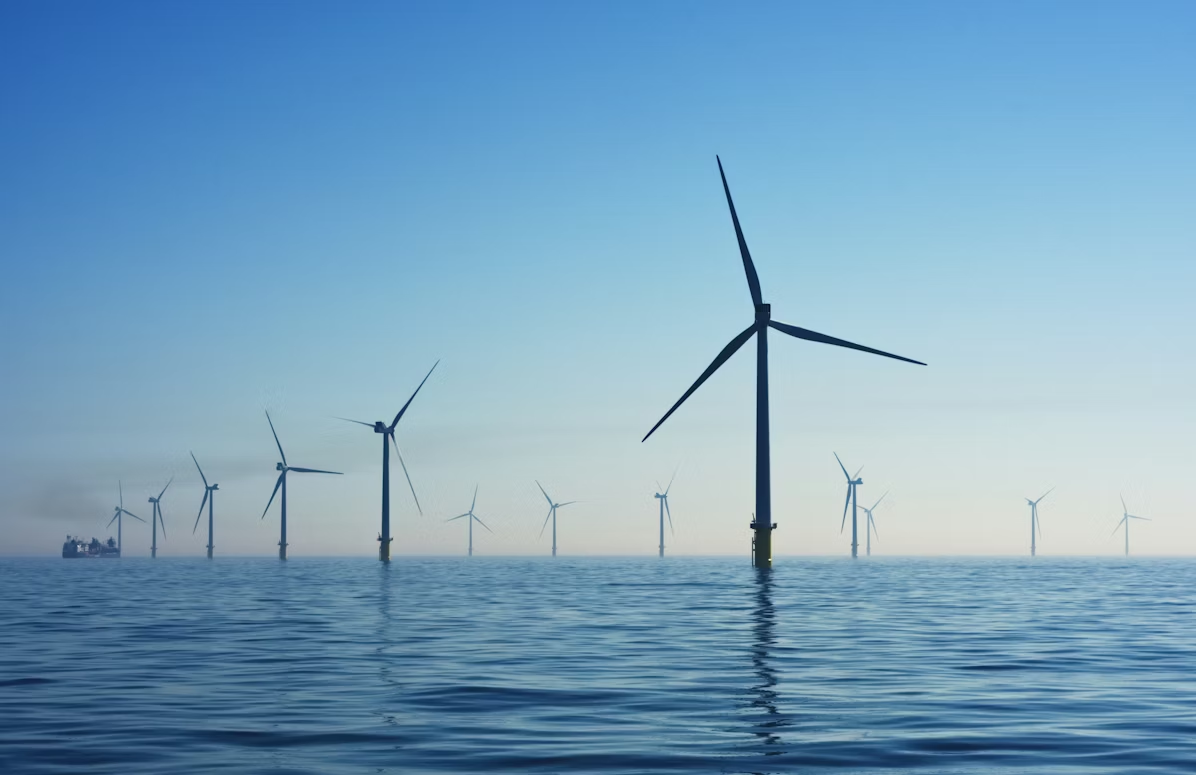
The renewable energy milestone matters less as a climate victory than as proof of a pattern: when clean technology becomes cheaper than its alternative, adoption accelerates regardless of political will. This happened with LEDs, which now represent 60% of global lighting sales. It happened with electric vehicles in Norway, where they're now the majority of new car sales. And it's happening now with solar and wind, driven not by subsidies or mandates, but by the simple fact that they've become the most economical choice. The fight isn't over—far from it—but the economics have fundamentally changed sides.
Other Net Positives
Norway suspended deep-sea mining licenses through 2029. The country halted plans to issue exploration permits for seabed mining in Arctic waters, a practice scientists warn could cause irreversible damage to marine ecosystems and carbon storage.
Michigan's minimum wage reached $12.48 per hour. The increase took effect February 21 as part of a court-mandated restoration of voter-approved wage increases, with tipped workers seeing their hourly pay rise to $5.99.
Gene therapy showed promise for rare childhood disease. A three-year-old became the first person to receive custom CRISPR treatment for Hunter syndrome, a devastating genetic disorder, with early results showing dramatic health improvements.
Amazon deforestation dropped more than 10 percent. Conservation efforts in Brazil's Amazon rainforest led to measurable reductions in forest loss, demonstrating that targeted enforcement and monitoring can slow environmental destruction.
The High Seas Treaty took effect. With Morocco's ratification as the 60th country, the international agreement to protect marine biodiversity in two-thirds of the world's oceans became legally binding in January 2026.
Most progress arrives without applause.
If you have a story you think we should cover, let us know.