

G20 Makes History on African Soil
The 2025 G20 Summit in Johannesburg—the first ever held on the African continent—adopted a declaration emphasizing "Solidarity, Equality, Sustainability" despite a US boycott. Leaders committed to strengthening debt relief for developing nations, increasing climate finance, and ensuring more inclusive decision-making in global financial institutions. The declaration placed pointed emphasis on climate change and urged comprehensive peace efforts in Sudan, the Democratic Republic of Congo, Palestine, and Ukraine. While geopolitical tensions persisted, French President Emmanuel Macron and other leaders pressed forward: "Our duty is to be present, engage and work all together because we have so many challenges." The summit represents both symbolic and substantive progress—symbolic because hosting in Africa raises representation, substantive because the agenda prioritizes regions less often center-stage. For readers in the US and EU, it signals shifting global dynamics and potential new partnerships on climate finance, critical minerals, and sustainable development.
US Supreme Court Reaffirms Marriage Equality
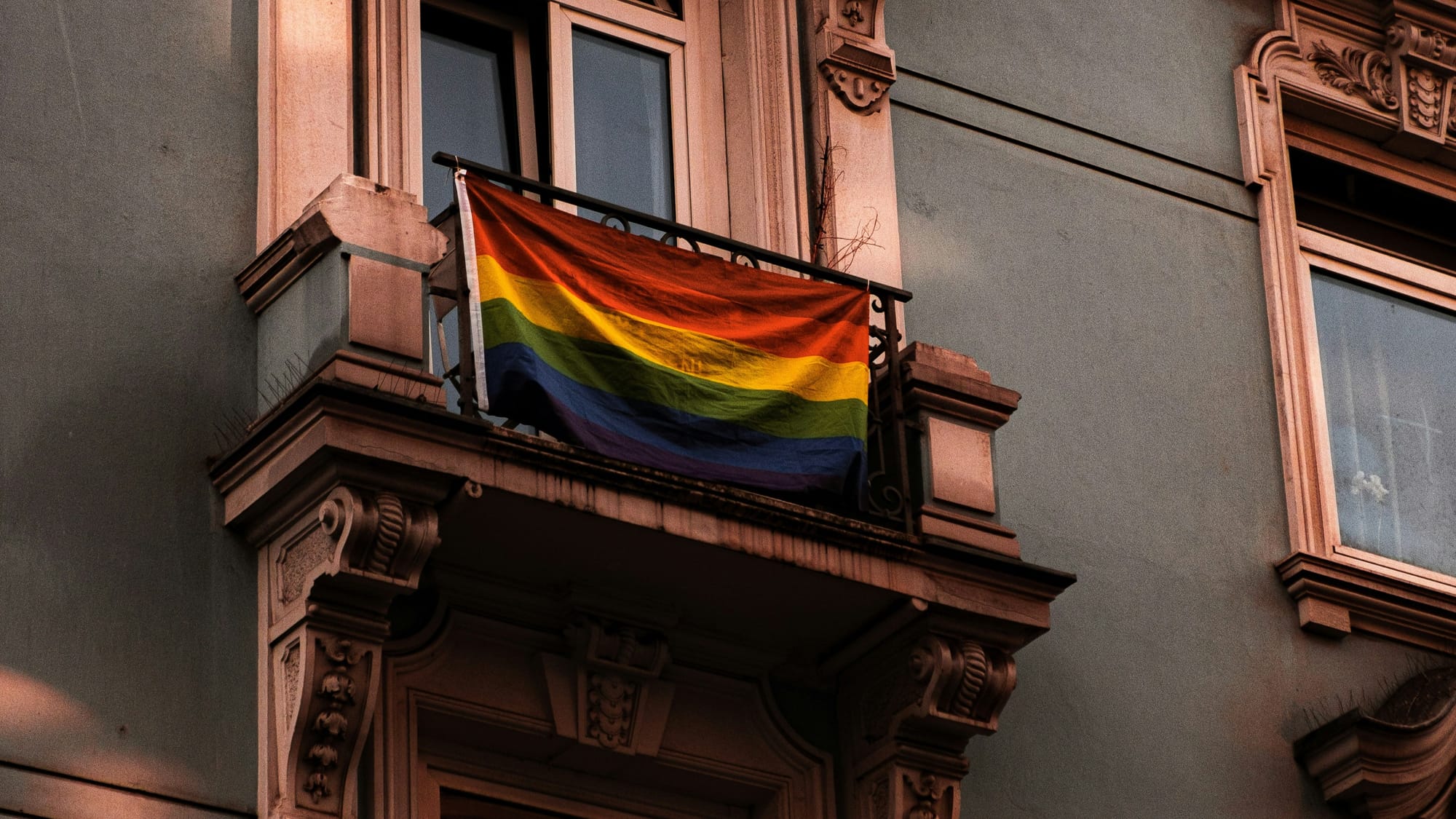
In a significant but quiet victory, the Supreme Court declined to hear a challenge seeking to overturn its 2015 decision guaranteeing same-sex marriage nationwide. The case, brought by former Kentucky clerk Kim Davis who refused to issue marriage licenses to same-sex couples, had raised concerns given the conservative court's recent record. Instead, the justices rejected the appeal without comment. Civil rights attorney Mary Bonauto, who argued the original case, celebrated the decision: "Today millions of Americans can breathe a sigh of relief for their families, current or hoped for, because all families deserve equal rights under the law." While this sets no binding precedent and advocacy groups stress vigilance, the decision reaffirms that progress sometimes comes in quiet reaffirmations as much as in dramatic breakthroughs. Nearly 600,000 same-sex couples have married since the 2015 ruling.
World Moves Closer to Eliminating Cervical Cancer
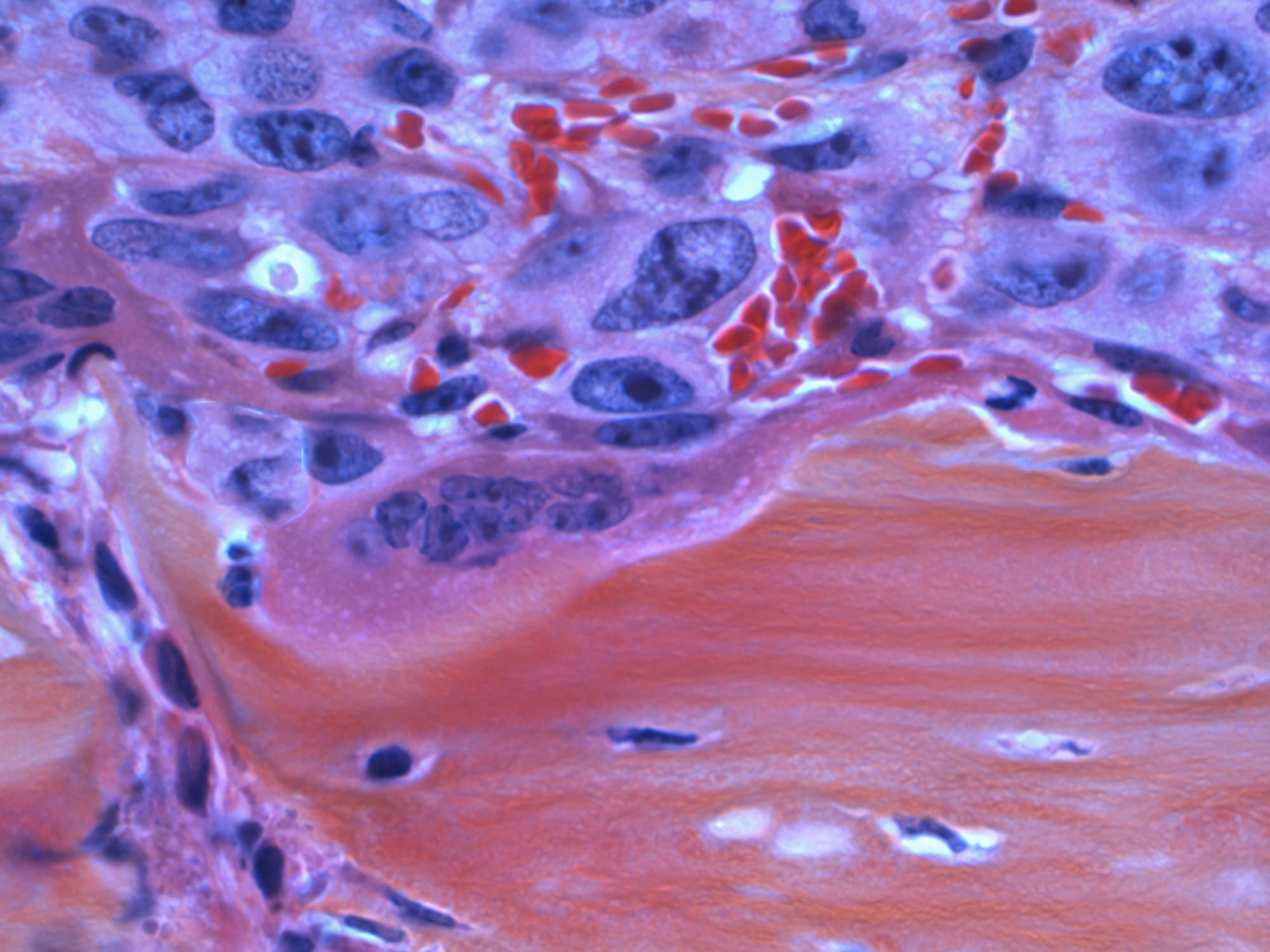
On the first-ever World Cervical Cancer Elimination Day, Gavi announced that 86 million girls in high-risk countries have been vaccinated against HPV since 2023, preventing an estimated 1.4 million future deaths. The three-year campaign exceeded its target ahead of schedule, with vaccine coverage in Africa soaring from 4% in 2014 to 44% in 2024—now surpassing Europe. By lowering vaccine costs to $2.90-$5.18 per dose (compared to over $100 elsewhere) and shifting to a single-dose schedule, the program transformed cervical cancer prevention. By year's end, the vaccine will be available in countries accounting for 89% of global cervical cancer cases. Every two minutes, a woman dies from this preventable disease—but that reality is changing.
Aviation Takes Greener Flight Path
At Dubai Airshow 2025, Dubai Airports, dnata, flydubai, and over 30 industry partners unveiled the world's first "Sustainability Showcase"—a fully sustainable aircraft turnaround demonstration. The showcase featured more than 40 pieces of sustainable ground equipment including solar panel systems, electric baggage tractors, hydrogen-powered buses and refueling dispensers, and green recycling solutions. Aviation accounts for roughly 2-3% of global emissions, making innovations in this sector critical for decarbonization. The demonstration proves that high-tech, big-infrastructure industries can transition toward sustainable operations. For a global audience, it's an encouraging sign that even sectors once considered impossible to decarbonize are finding pathways forward.
UK Bans Plastic Wet Wipes
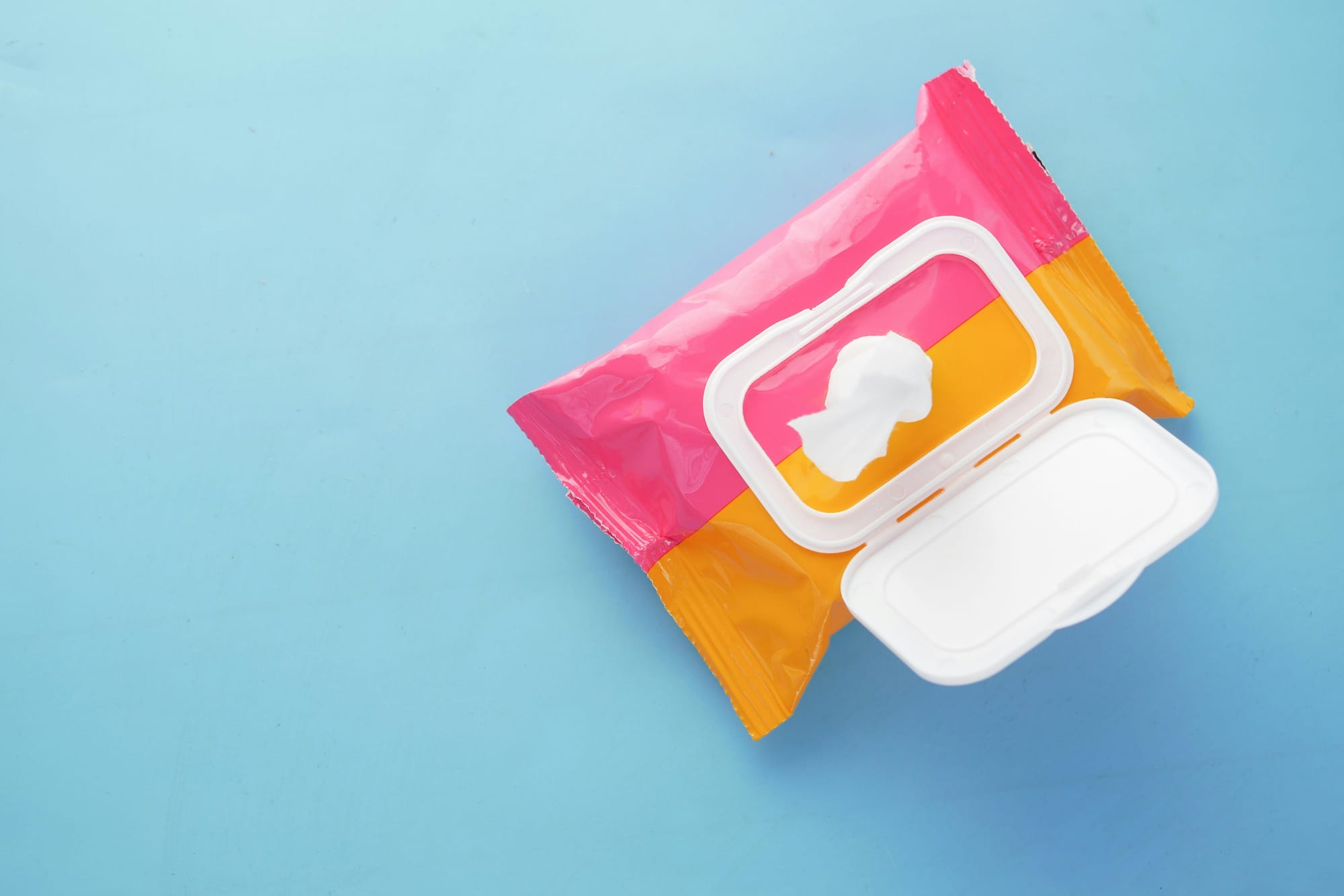
England signed into law a ban on selling plastic-containing wet wipes, tackling a major pollution source that clogs sewers, litters beaches, and breaks down into microplastics. Surveys found an average of 20 wet wipes littering every 100 meters of UK beach. These wipes contribute to 94% of sewer blockages, costing water companies £200 million annually. The ban, supported by 95% of consultation respondents, gives businesses until spring 2027 to comply. Wales, Northern Ireland, and Scotland are implementing similar measures, making this a UK-wide effort to clean up waterways.
Google's Quantum Leap: 13,000 Times Faster
Google announced the first-ever verifiable quantum advantage on hardware. Their Willow quantum chip ran the "Quantum Echoes" algorithm approximately 13,000 times faster than the world's fastest classical supercomputers. Unlike previous quantum claims solving abstract problems, this breakthrough tackles real-world physics—measuring how information spreads in highly entangled quantum systems. In proof-of-principle experiments with UC Berkeley, Willow successfully analyzed molecular structures, matching traditional methods while revealing previously unavailable information. This could revolutionize drug discovery by showing how medicines bind to targets, and advance materials science for polymers, batteries, and more. It's a giant step toward practical quantum computing applications.
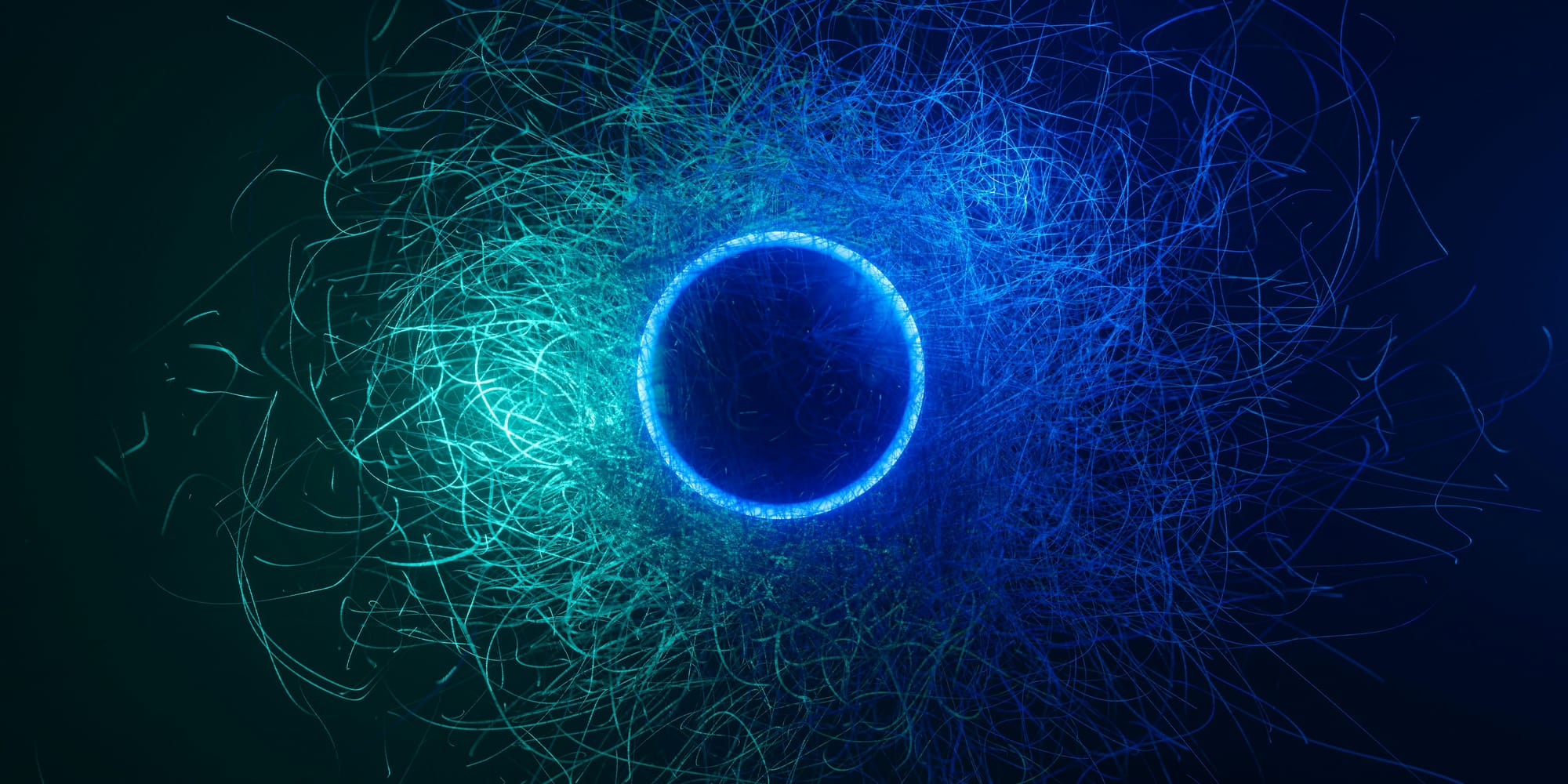
Dark Quantum States Shine 300,000 Times Brighter
Researchers discovered how to make "dark excitons"—normally invisible quantum states of light—shine dramatically brighter by trapping them inside tiny gold-nanotube optical cavities. This boosts their emission 300,000-fold and allows scientists to switch and tune them with unprecedented precision. The breakthrough unlocks new possibilities for ultrafast photonics, on-chip quantum technologies, and advanced optical computing.
MIT Device Extracts Water From Air in Minutes
MIT engineers created an ultrasonic device that rapidly frees water from materials designed to absorb moisture from the air. Instead of waiting hours for heat to evaporate trapped water, the system uses high-frequency vibrations to release droplets in just minutes. Powered by a small solar cell and programmable to cycle continuously, this breakthrough could provide clean drinking water in arid regions where traditional methods fail.
Have a story you think we should cover? Let us know because we're always on the lookout for good news worth sharing.


