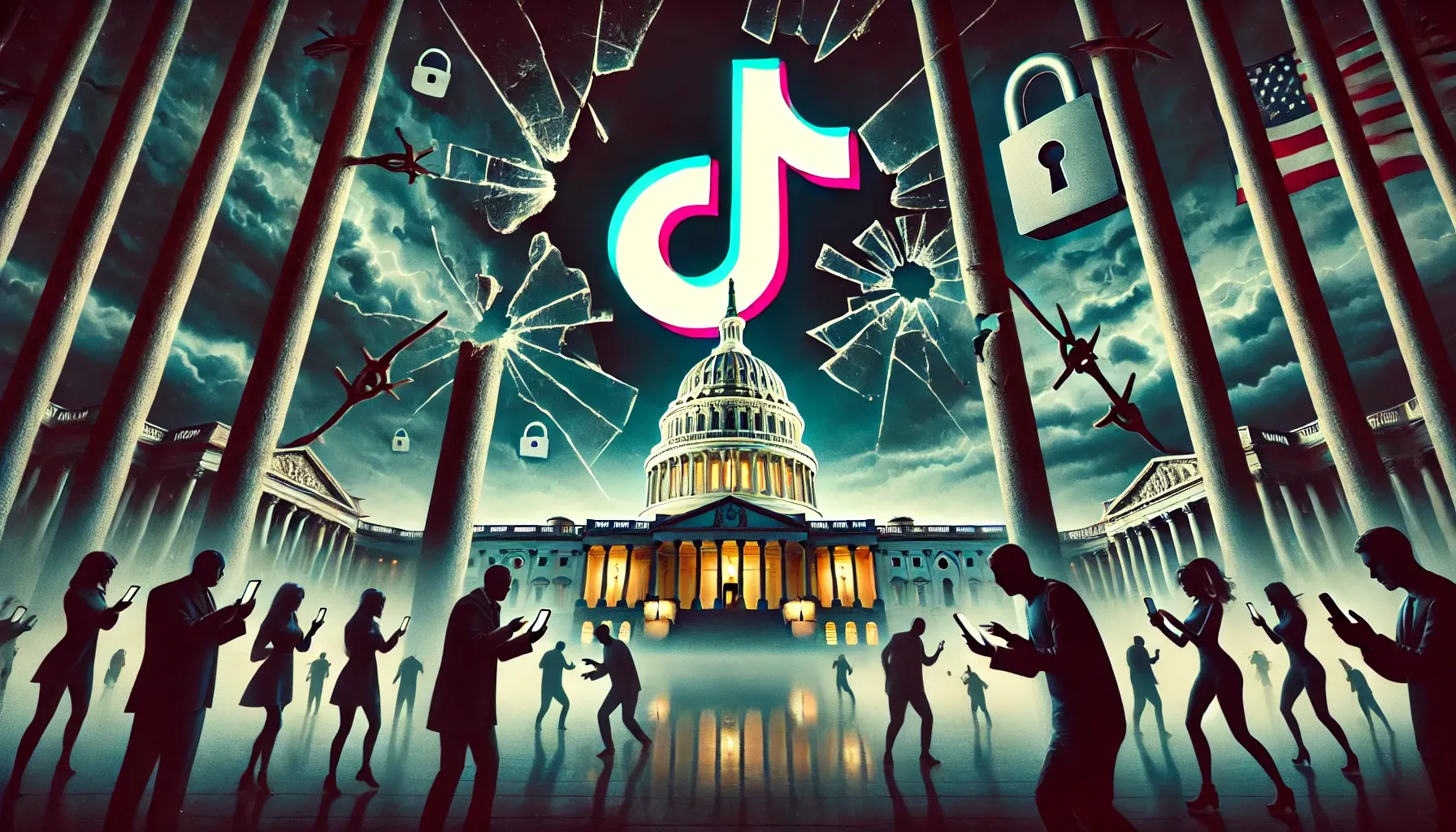

In a dramatic turn of events, the popular social media app TikTok has been at the center of a tumultuous legal and political battle in the United States. The situation remains fluid, with recent developments creating a whirlwind of activity and speculation.
The Ban and Its Immediate Impact
On January 19, 2025, TikTok temporarily suspended its services in the US, following the implementation of the Protecting Americans from Foreign Adversary Controlled Applications Act (PAFACA). This law, signed by President Joe Biden in April 2024, required ByteDance, TikTok's Chinese parent company, to sell its stake in the app or cease operations in the US.
The ban affected 170 million American users, who were greeted with a message stating that TikTok was no longer available. This move came after months of legal battles and increased scrutiny over the app's Chinese ownership and potential national security risks.
Trump's Intervention and Temporary Reprieve
In an unexpected turn of events, newly inaugurated President Donald Trump signed an executive order on January 20, 2025, halting the enforcement of the ban for 75 days. This decision has temporarily restored TikTok's services in the US, offering a glimmer of hope for the app's future in the country.
Trump's executive order also provides immunity to tech firms collaborating with TikTok during this period, allowing the administration to "seek a solution that ensures national security while preserving a platform utilized by 170 million Americans".
Ongoing Concerns and Legal Challenges
The US government's concerns about TikTok stem from fears that the app could be used for data collection and influence operations by the Chinese government. TikTok and ByteDance have consistently denied these allegations, asserting that they do not share US user data with Chinese authorities.
The company has also challenged the ban in court, arguing that it infringes upon freedom of expression. Earlier this month, the Supreme Court determined that the "well-supported" national security concerns surrounding the app warranted a compulsory sale.
Potential Solutions and New Proposals
As the deadline looms, various investors and companies have proposed alternative solutions to keep TikTok operational in the US. In a recent development, Perplexity AI has submitted a new proposal to ByteDance that would allow the US government to own up to 50% stake in the new entity created by a potential merger. This revised plan, presented after feedback from the Trump administration, offers a novel approach to addressing national security concerns while preserving TikTok's operations in the US.
Global Impact and Industry Response
The TikTok saga in the US has implications beyond American borders. Other countries, including India, have already imposed restrictions on the app. Meanwhile, US-based competitors like Instagram Reels and YouTube Shorts stand to gain from TikTok's potential absence in the market.
The tech industry's response to the ban and subsequent reprieve has been mixed. While some companies like Oracle and Akamai have reinstated their web services for TikTok, others, such as Apple and Google, remain hesitant due to potential legal repercussions.
The Road Ahead
As the 75-day extension period progresses, all eyes will be on ByteDance, the US government, and potential buyers to see how this high-stakes technological and geopolitical drama unfolds. The outcome of the TikTok ban could set a precedent for how countries approach foreign-owned apps and data security in the future.